From Uganda to Kenya: Sharing a Community Follow-Up Model for Preterm Babies
For a baby born too soon, leaving the hospital is not the end of the journey. In many cases, it is where a new and uncertain chapter begins.
Once a preterm baby goes home, parents continue to carry the responsibility of providing specialised care while watching for feeding difficulties, poor weight gain, breathing problems and other warning signs. Without consistent follow-up, a baby who once received close attention in hospital can easily fall through the cracks.
At Preterm Infants Parents Network Uganda, our work is built around closing that gap between hospital and home.
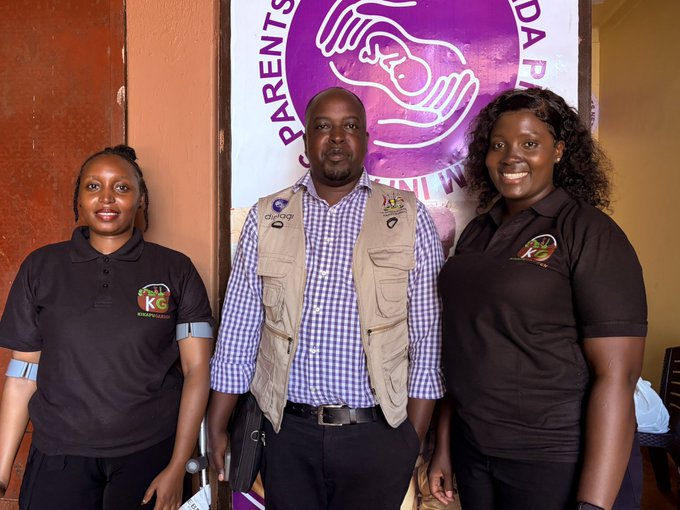
Recently, PIPNU welcomed the team from Kikapu Garden Kenya to learn how we follow up preterm babies within communities.
The visit began at the PIPNU office, where the team was introduced to our step-by-step follow-up process. From there, the learning moved into the field, giving the team an opportunity to see how community-based follow-up works in practice.
Through our community follow-up model, families continue receiving support after their babies leave the hospital. Community teams help parents reinforce what they learned in the NICU, monitor their babies and recognise concerns that may require medical attention.
Digital tools such as CommCare also strengthen this process by helping teams document and track follow-up visits and maintain a consistent approach to care.
But behind every system is a family.
A mother wondering whether her baby is gaining enough weight. A father learning how to support Kangaroo Care at home. A parent unsure whether a change in breathing is normal or a sign that their baby needs help.
Community follow-up helps ensure these parents are not left to navigate those questions alone.
The visit from Kikapu Garden Kenya was therefore more than an organisational exchange. It was an opportunity to share lessons, learn from one another and explore how community-based approaches can help more preterm babies remain connected to care after discharge.
For PIPNU, it was also a reminder that solutions developed within communities can inspire learning beyond Uganda.
Because a preterm baby's journey does not end at discharge.
Care must continue. Families must remain supported. And every baby deserves to be seen, followed and protected — wherever they live.
This is how PIPNU continues working to close the fatal gap between hospital and home.
← Back to All Blogs