World Prematurity Day in Uganda: Awareness, Care, and Support for Preterm Babies (15 November)
What is World Prematurity Day?
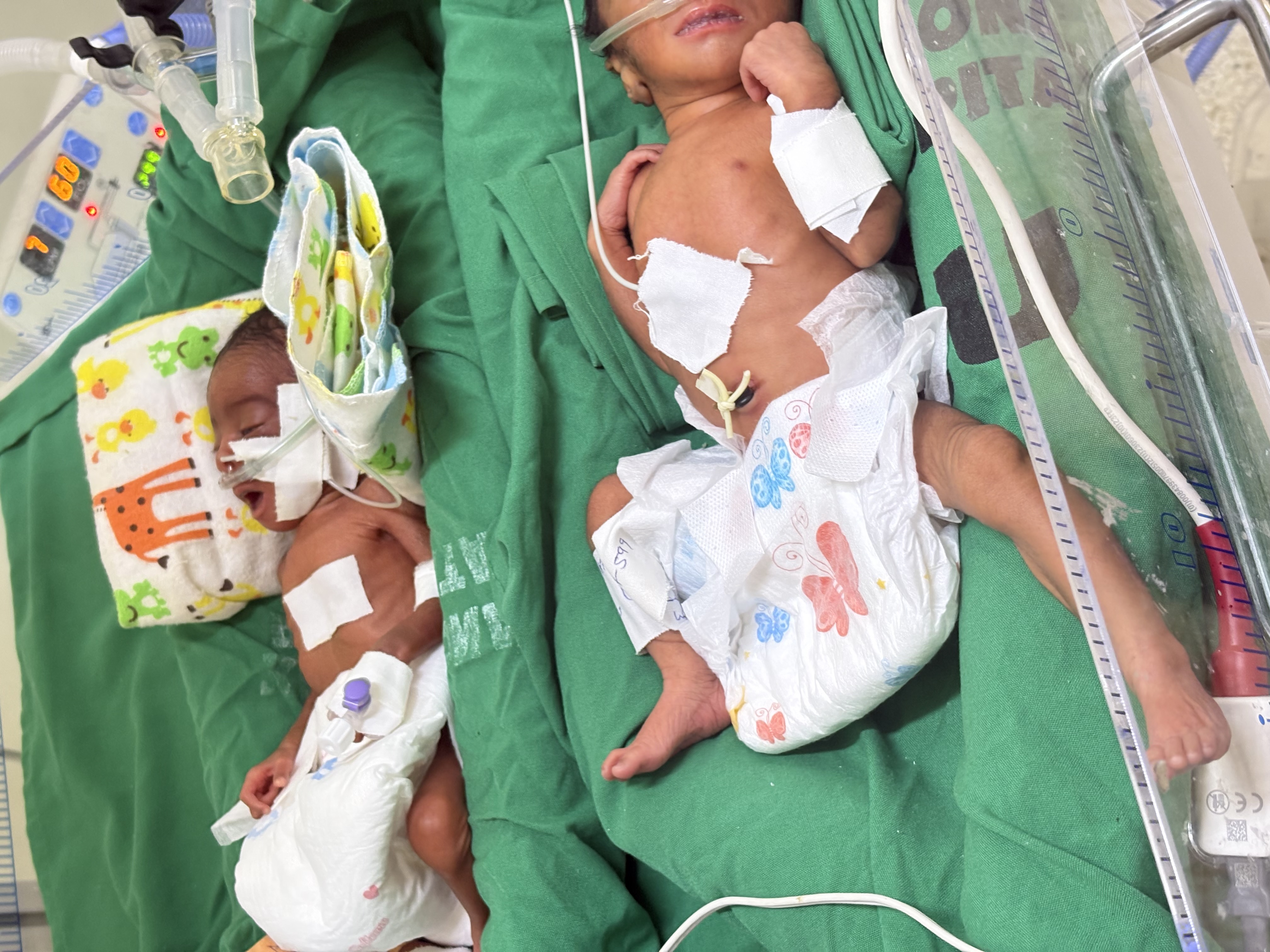
World Prematurity Day, observed every year on 15th November, is a global awareness day focused on preterm birth and the urgent need to improve survival and care for premature babies.
A baby is considered preterm when born before 37 weeks of pregnancy. Across the world, about 1 in 10 babies is born too early, and many require specialized medical and family support to survive and grow.
In Uganda, preterm birth remains a major public health concern, especially where follow-up care and family support after discharge are limited.
Why World Prematurity Day Matters in Uganda
In Uganda, preterm birth is not only a medical issue, it is also a social and economic challenge.
Many families face:
Limited access to specialized newborn care services
Early discharge without adequate home support
Low awareness of Kangaroo Mother Care (KMC)
Financial strain from prolonged hospital stays
Lack of follow-up systems for preterm infants
These gaps increase the risk of complications such as poor growth, infections, and preventable newborn deaths.
The Role of Family Support in Preterm Survival
Survival of preterm babies does not depend on hospital care alone. It depends heavily on what happens after discharge.
Key life-saving practices include:
Kangaroo Mother Care (continuous skin-to-skin contact)
Exclusive breastfeeding and proper nutrition
Regular follow-up and growth monitoring
Protection from infection and hypothermia
Emotional and practical support for parents
Without these, even babies who survive the NICU remain at high risk.
How Preterm Infants Parents Network Uganda Supports Families
In Uganda, Preterm Infants Parents Network Uganda leads community and hospital-based efforts to improve outcomes for preterm babies and their families.
Our work focuses on bridging the gap between hospital discharge and home care.
1. Awareness and Education
We run national awareness campaigns through:
Radio and television programs
Social media education on preterm care
Community outreach on Kangaroo Mother Care
Promotion of the purple symbol for prematurity awareness
2. Hospital Outreach
We support mothers and health workers at major hospitals including:
Kawempe National Referral Hospital
Mulago Women’s Specialized Hospital
Our hospital programs focus on:
Early education for mothers of preterm babies
Emotional support for NICU parents
Practical demonstrations of Kangaroo Mother Care
Guidance on breastfeeding and early nutrition
3. Essential Newborn Care Support
We promote and support key interventions including:
Kangaroo Mother Care (KMC)
Exclusive breastfeeding
Early nutrition for preterm infants
Retinopathy of Prematurity (ROP) screening awareness
Distribution of essential care supplies where possible
World Prematurity Day Activities in Uganda
Every year on 15th November, PIPNU joins global efforts through:
National awareness campaigns across radio, TV, and social media
Community walks and public engagement activities
Hospital visits and NICU support sessions
Sharing parent stories to reduce stigma and build hope
Fundraising for essential supplies for preterm babies
We also encourage the public to wear purple, the global symbol of prematurity awareness.
How You Can Support World Prematurity Day
Everyone can play a role in improving survival for preterm babies in Uganda.
You can:
Wear purple on 17th November
Share accurate information about preterm birth
Support families with preterm babies in your community
Donate or volunteer with preterm support initiatives
Promote awareness using #WorldPrematurityDay and #PurpleForPreemies
Conclusion: Every Preterm Baby Deserves a Chance
Preterm birth is not rare, and it is not a private struggle. It is a shared health and social issue that requires collective action.
With better awareness, stronger family support, and improved post-discharge care, more preterm babies in Uganda can survive and thrive.
Together, we can close the gap between hospital and home.
Support This Campaign