Eye Screening
Part of Maternal & Newborn Health
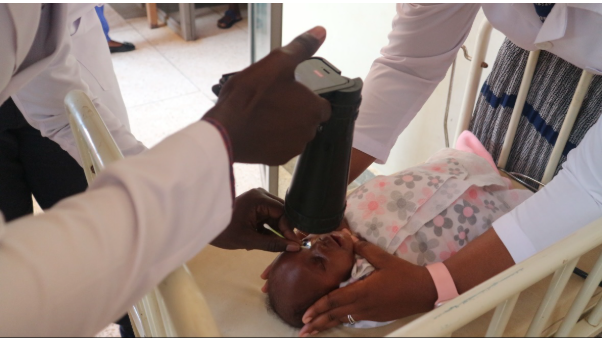
Preterm Infants Parents Network Uganda (PIPNU) addresses the critical gap in care for preterm infants at risk of Retinopathy of Prematurity (ROP), a leading cause of preventable childhood blindness. ROP occurs when abnormal blood vessels develop in the retina, often without early symptoms, and can lead to permanent blindness if untreated. Infants born before 31 weeks, weighing under 1,250 grams, or who received oxygen therapy are at highest risk.
PIPNU's Eye Screening Program:
- Hospital-Based Screening: Collaborates with neonatal units, including Kawempe National Referral Hospital, to provide routine ROP screenings before discharge using retinal cameras and ophthalmoscopes.
- Community Follow-Up: Village Kangaroo Ambassadors track at-risk infants, provide reminders, referrals, and transport support for families.
- Parent & Community Education: Raises awareness about the importance of screening, warning signs, and dispels myths about prematurity and childhood blindness.
- Treatment Coordination: Supports timely referral to pediatric ophthalmologists, post-treatment follow-up, and counseling for families when vision loss occurs.
Screening Protocol:
- First screening at 4–6 weeks of age
- Follow-ups every 1–2 weeks for mild cases
- Immediate referral for advanced ROP
- Community tracking after discharge
Impact (2023):
- 60+ preterm infants screened at Kawempe National Referral Hospital
- Multiple advanced ROP cases detected and treated
- Prevented avoidable blindness and increased awareness among parents and health workers
Key Messages for Parents:
- ROP is preventable and treatable if detected early
- All eligible preterm infants need screening
- Follow-up appointments are critical